Traditional art forms are not merely expressions of creativity; they are repositories of cultural heritage, traditional knowledge, and community livelihoods. Recognizing the importance of preserving such indigenous practices while creating sustainable economic opportunities for local communities, the EIACP Programme Centre, Department of Environmental Science & Engineering, IIT (ISM) Dhanbad, in collaboration with Jharkhand Foundation Kendra, and under the aegis of the Ministry of Environment, Forest and Climate Change (MoEF&CC), Government of India, organized a One-Week Capacity Building Programme on “Sikki Art for Sustainable Livelihood and Cultural Preservation” at Pindrajora, Bokaro District, Jharkhand.
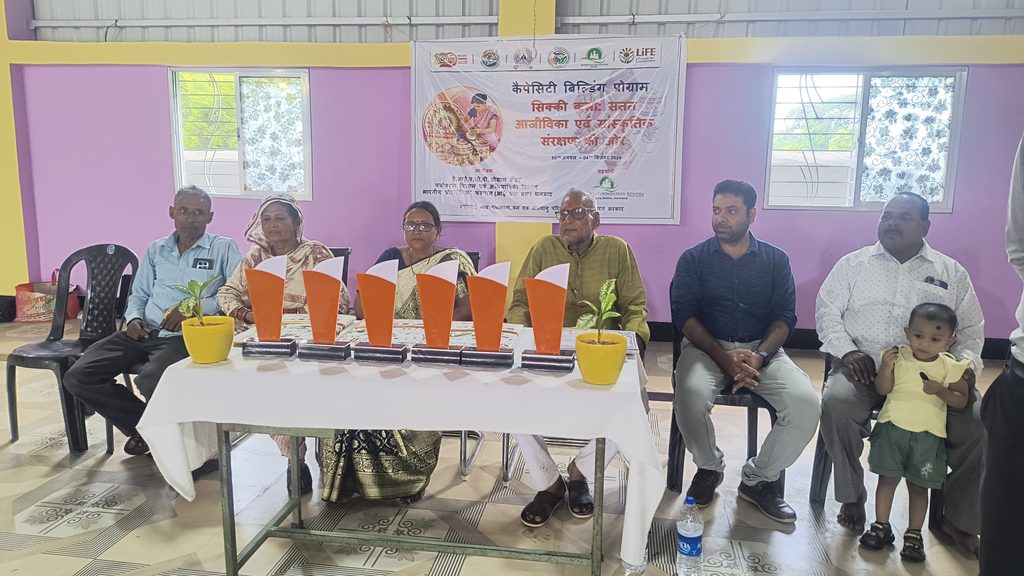
The programme was inaugurated on 30 August 2026 and concluded with a valedictory ceremony on 4 September 2026. The initiative brought together 30 trainees, including women members of Self-Help Groups (SHGs) associated with the Jharkhand State Livelihood Promotion Society (JSLPS) and homemakers, with the objective of strengthening their skills in Sikki Art and exploring opportunities for sustainable livelihood generation. The inaugural session emphasized the significance of connecting traditional knowledge with contemporary livelihood opportunities. Prof. Alok Sinha, HOD, Department of Environmental Science & Engineering and Coordinator, EIACP Centre, IIT (ISM) Dhanbad, highlighted the need to strengthen traditional skills while creating sustainable livelihood opportunities for local communities. He further announced that interested trainees would be provided opportunities to showcase and sell their Sikki Art products through stalls at IIT (ISM) Dhanbad during major institutional events. This initiative is expected to provide artisans with greater visibility and a platform to connect their traditional craftsmanship with potential markets. Prof. Sunil Kumar Gupta, Professor (HAG), Department of ESE, IIT (ISM) Dhanbad, emphasized the importance of integrating environmental sustainability with traditional livelihood practices. His remarks highlighted how sustainable use of natural resources and traditional skills can contribute to both environmental conservation and community development. Dr. Jaydev Mahato, Executive Director, Jharkhand Foundation Kendra, spoke about the role of traditional art forms in generating sustainable livelihoods while preserving cultural heritage. The expert trainers, Smt. Naazda Khatoon and Md. Jasim, introduced participants to the techniques and possibilities of Sikki Art, highlighting its potential as a creative and sustainable livelihood option.
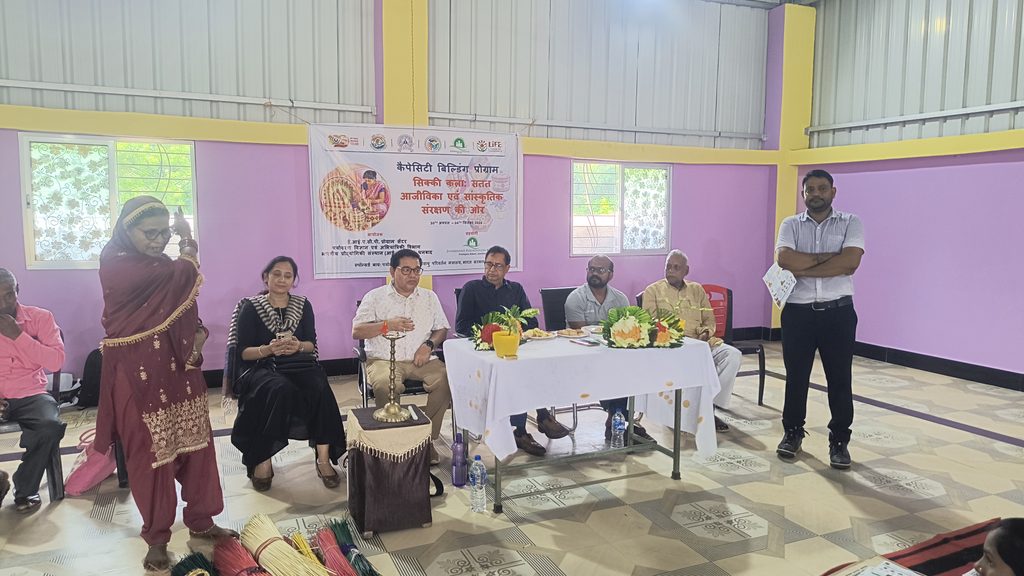
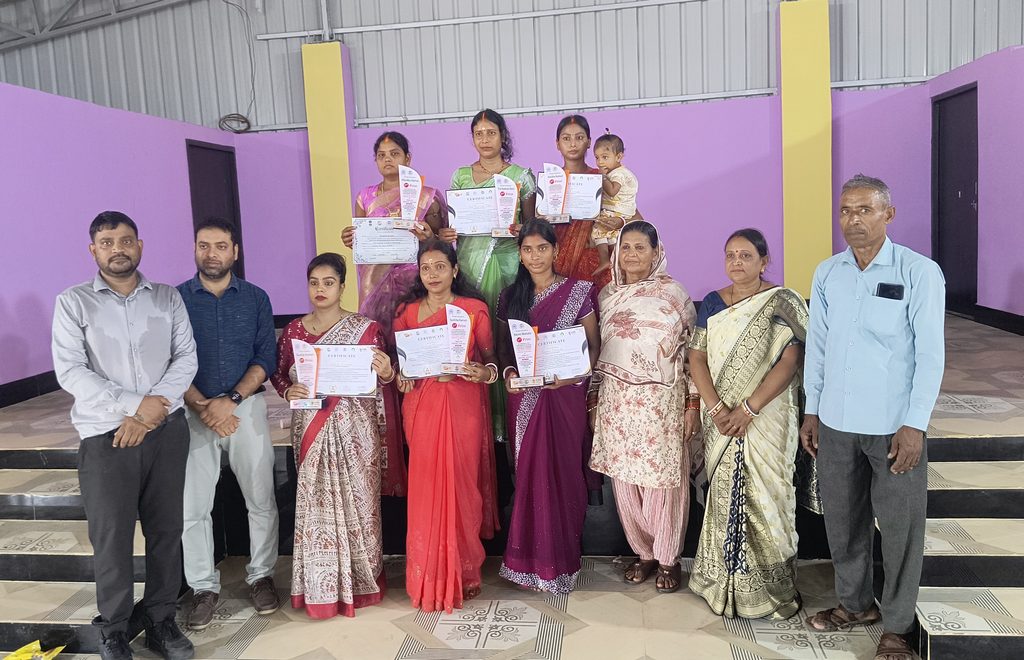
As part of the inaugural programme, a Mission LiFE Pledge was administered by Dr. Avantika Chandra, Information Officer, EIACP Centre, IIT (ISM) Dhanbad. The pledge reinforced the importance of adopting environmentally responsible lifestyles and incorporating sustainable practices into everyday life. The inclusion of Mission LiFE in the programme further strengthened the connection between environmental responsibility, traditional knowledge and sustainable livelihoods. The inaugural session concluded with the vote of thanks delivered by Prof. Suresh Pandian, Associate Professor, Department of ESE and Co-coordinator, EIACP Centre, IIT (ISM) Dhanbad. He also announced that three best-performing trainees would be recognized at the conclusion of the programme, appreciating their skills, creativity and active participation.
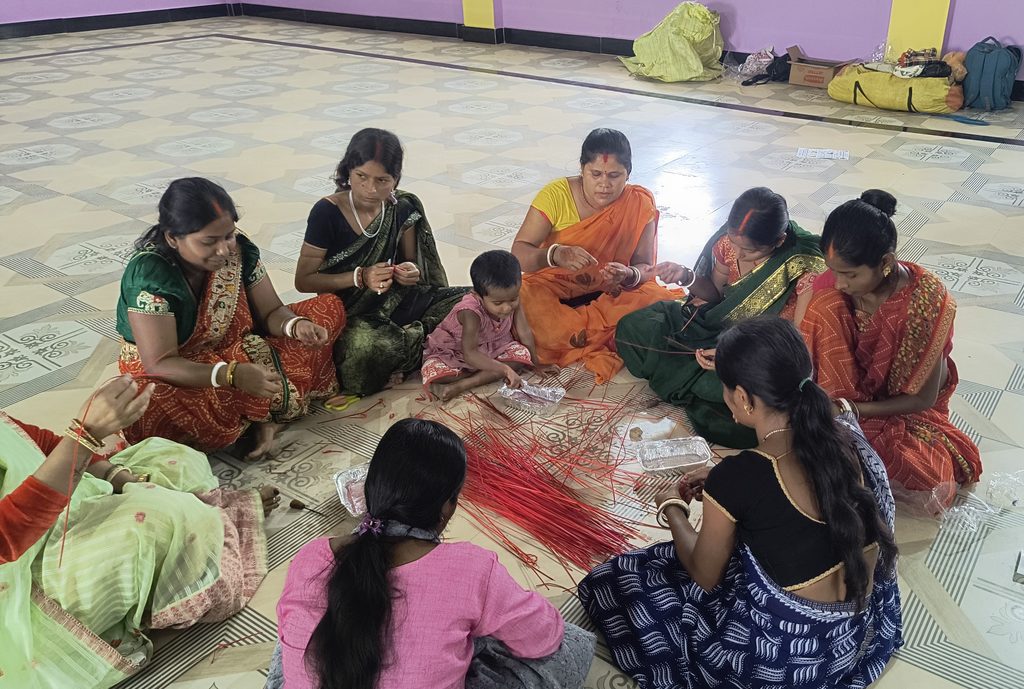
Learning by Doing: Hands-on Training in Sikki Art
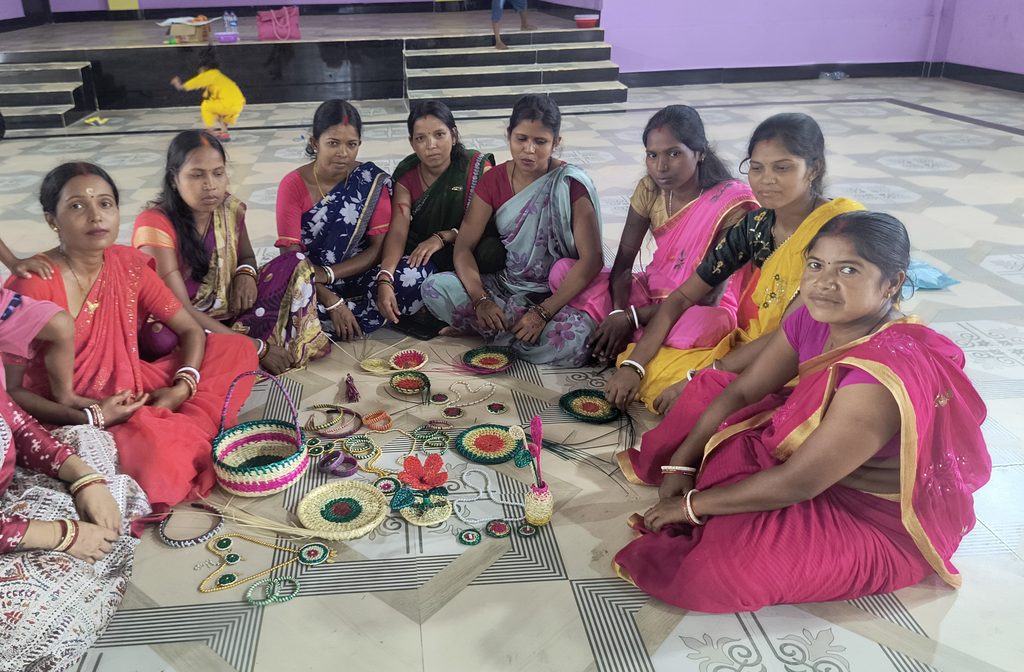
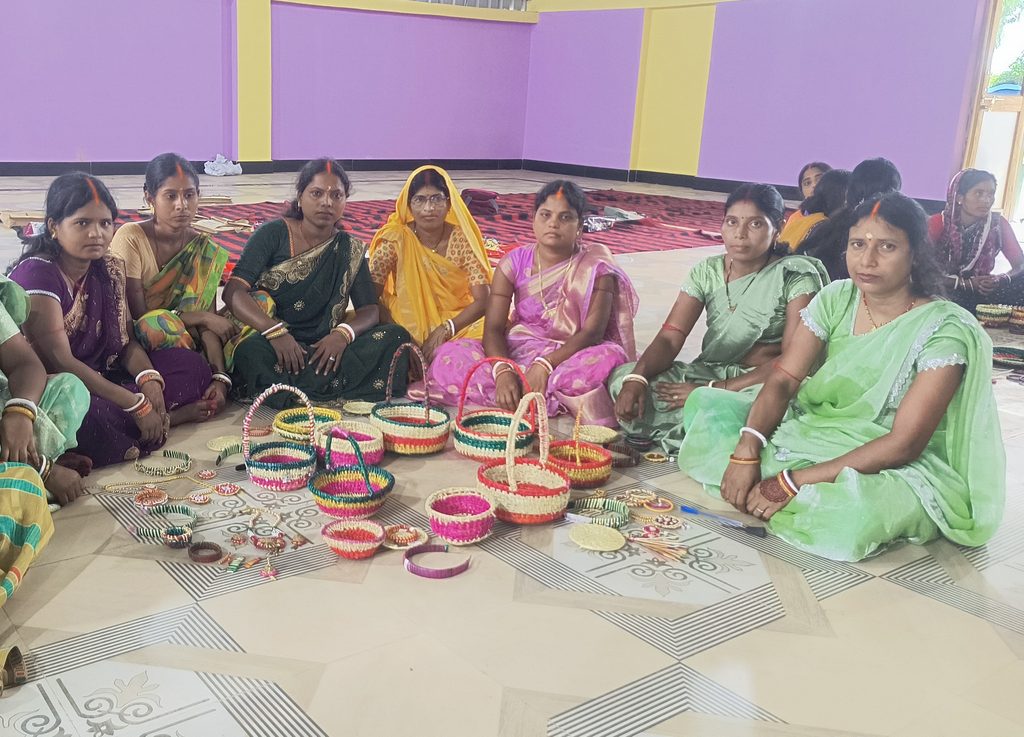
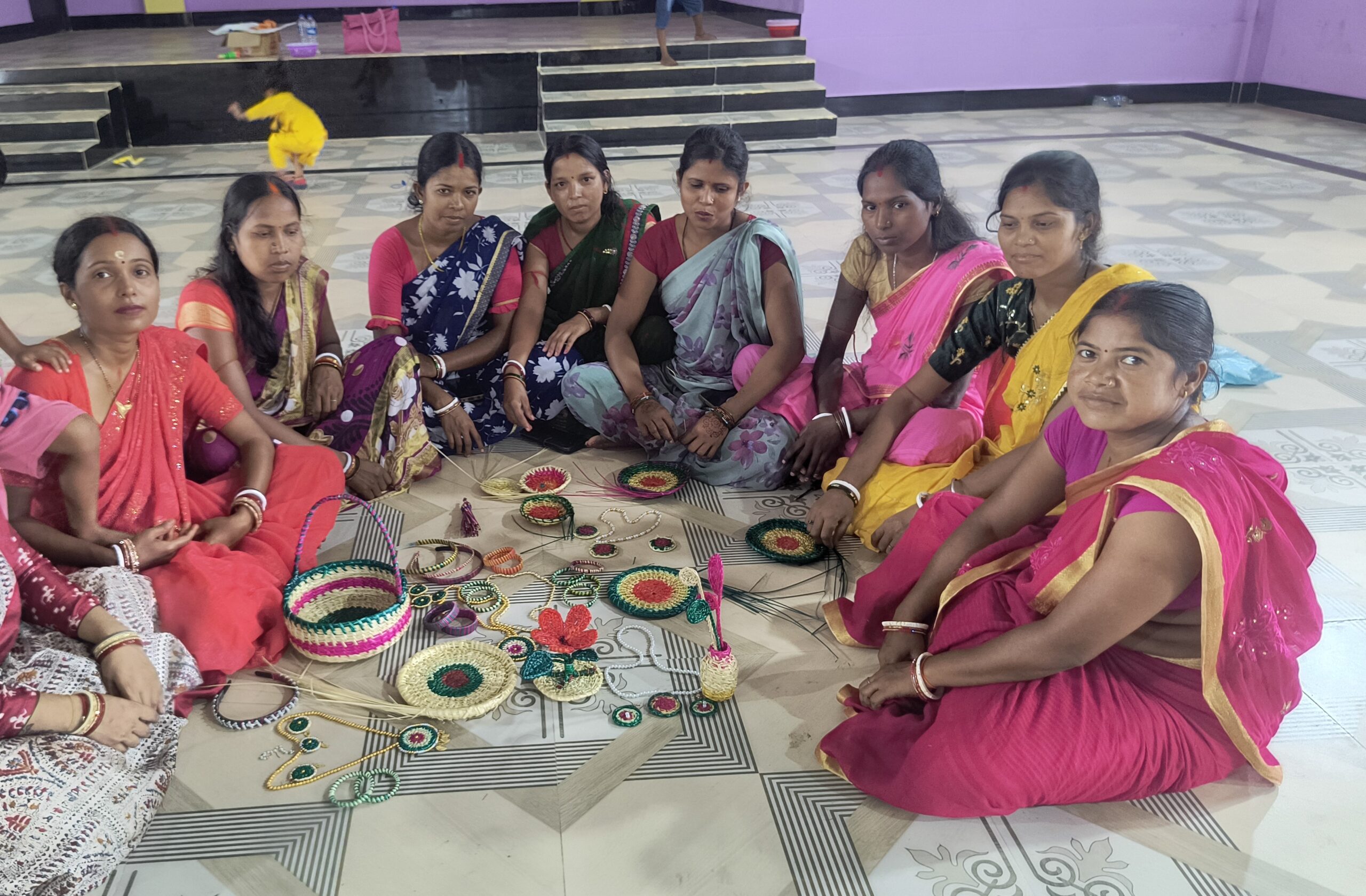
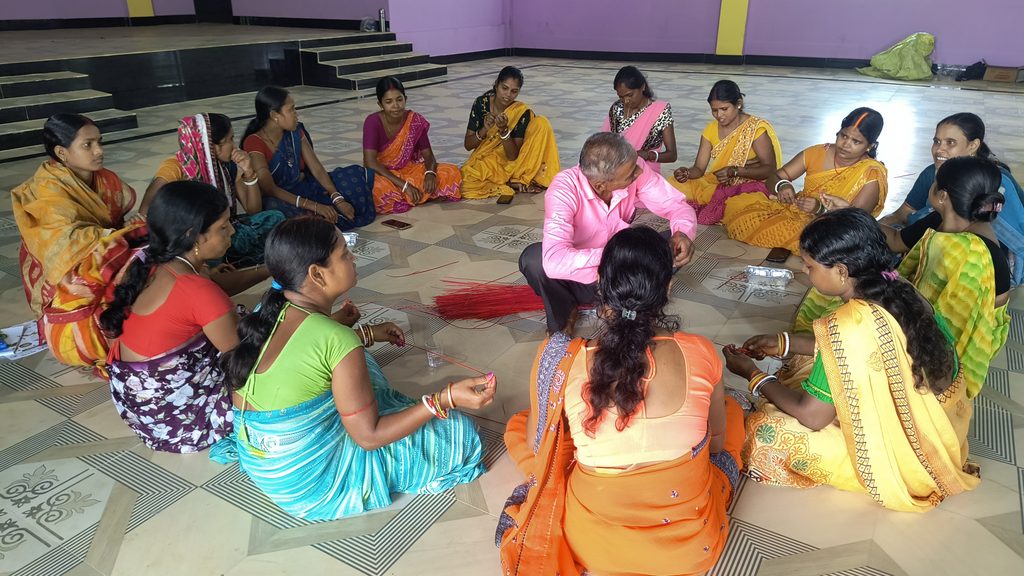
Over the course of the programme, participants received practical, hands-on training in Sikki Art. The sessions focused on skill enhancement, product development, creativity and livelihood opportunities. The training enabled participants to learn the fundamentals of Sikki craftsmanship and apply their skills to create useful and aesthetically appealing products. Through continuous guidance from the expert trainers, the participants gained confidence in transforming traditional knowledge into products with potential for wider market acceptance. For many participants, the programme represented an opportunity to acquire a new skill that could potentially supplement household income and contribute to greater economic independence.
Valedictory Ceremony: Celebrating Learning and Creativity
The programme culminated in a valedictory ceremony held on 4 September 2026. The ceremony was graced by Smt. Rasu Devi, Founder of Jharkhand Foundation Kendra, Bokaro, as the Chief Guest. In her address, she appreciated the hard work, dedication, and enthusiasm demonstrated by the participants throughout the training. She also expressed her appreciation for the impressive Sikki products created by the trainees within a short period. Highlighting the wider social significance of such initiatives, she emphasized the role of skill development programmes in promoting women empowerment, sustainable livelihoods and economic opportunities for local communities. Mr. Bishwajit Das, Programme Officer, EIACP Centre, Department of ESE, IIT (ISM) Dhanbad, congratulated the participants for their enthusiastic participation and the quality of Sikki products developed during the training. He noted that the programme had enabled participants not only to learn a traditional art form but also to translate their learning into creative, useful and potentially marketable products. He also expressed sincere appreciation to the expert trainers, Smt. Naazda Khatoon and Md. Jasim, for sharing their knowledge, dedicating their valuable time, and providing continuous guidance to the participants throughout the programme. Dr. Jaydev Mahato, Executive Director, Jharkhand Foundation Kendra, delivered the vote of thanks and reflected on the training journey, highlighting the active participation, learning and skill development demonstrated by the trainees. The successful completion of the programme demonstrated how traditional knowledge and contemporary capacity-building initiatives can work together to create meaningful opportunities for local communities. The participation of women from SHGs associated with JSLPS and homemakers particularly highlighted the potential of Sikki Art as a tool for women’s empowerment and livelihood diversification. By developing practical skills and encouraging product creation, the programme sought to bridge the gap between traditional craftsmanship and sustainable economic opportunities. Beyond skill development, the initiative also contributed to the preservation of Jharkhand’s rich cultural heritage. Supporting traditional art forms such as Sikki Art helps ensure that indigenous knowledge and craftsmanship continue to be practiced, valued, and passed on to future generations.
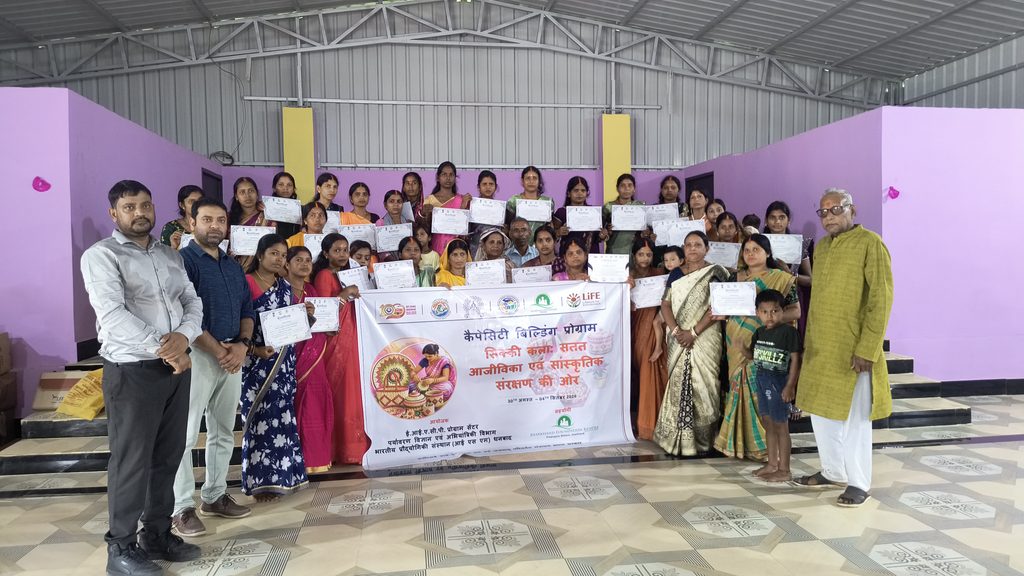
The One-Week Capacity Building Programme on “Sikki Art for Sustainable Livelihood and Cultural Preservation” represents a collaborative effort towards strengthening traditional knowledge systems, empowering local communities and promoting sustainable livelihoods. The initiative brought together IIT (ISM) Dhanbad, Jharkhand Foundation Kendra, expert trainers and local participants with a shared vision of linking traditional skills with environmental sustainability and economic empowerment. As the participants return with new skills, creative ideas and the confidence to develop Sikki products, the programme marks not an end, but a beginning—a step towards creating sustainable livelihood opportunities while keeping a cherished traditional art form alive. Through initiatives such as these, traditional knowledge can become a pathway to sustainable development, community empowerment and cultural preservation.